
Altun ha and Belize Baboon Sanctuary Excursion
0/5
0% of guests recommend
Tour Type
Ecotourism
Location
Belize Tours from Belize City
Overview
Private Altun Ha & Baboon Sanctuary | Temples & Tails
Ancient stones and wild howls. This tour combines culture and conservation. After exploring the Mayan ruins of Altun Ha, we journey into the Belize River Valley to the Community Baboon Sanctuary. This isn't a zoo—it's a groundbreaking grassroots project where you walk the forest trails to meet the loudest land animal in the Americas: the Black Howler Monkey.
At A Glance
- Destinations: Altun Ha Ruins & Community Baboon Sanctuary (Bermudian Landing)
- Departs From: Belize City
- Duration: 5–6 Hours
- Difficulty: Easy (Nature walks on flat trails)
The Experience
Part 1: The Ruins (Altun Ha)
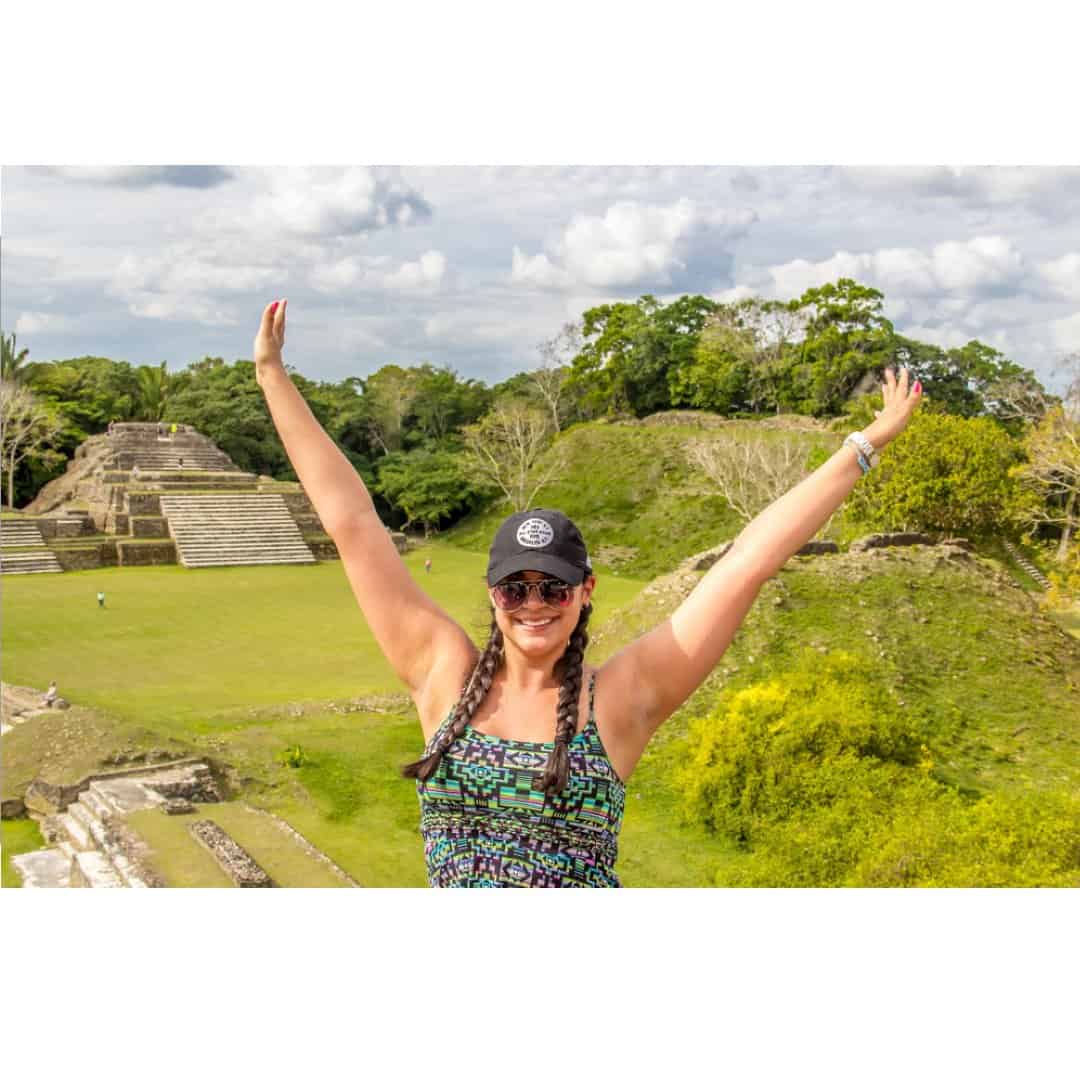
We start with a visit to the ancient trading post of Altun Ha. Climb the Temple of the Masonry Altars and learn about the Sun God from your private guide.
Part 2: The Wildlife (Baboon Sanctuary)
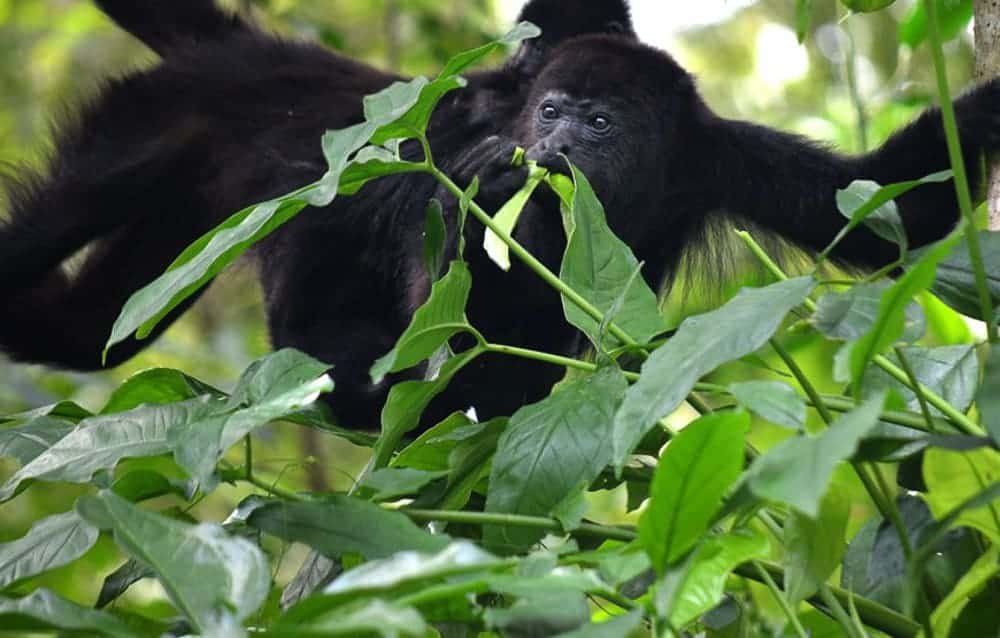
Next, we head deep into the River Valley. Local rangers have protected this forest for over 30 years to save the Black Howler Monkey (locally called "baboons").
- The Encounter: You will walk easy nature trails through the rainforest.
- The Interaction: It is very common for the monkeys to come down from the canopy to get a closer look at you. Hearing their roar up close is an unforgettable experience!
The "Private" Difference: Why Upgrade?
Wildlife tours are always better in small groups:
- Quiet Observation: Large groups scare the animals away. A private tour gets you closer.
- Personal Ranger Time: You get 1-on-1 time with the local sanctuary guides to ask questions about the jungle ecosystem.
Itinerary Snapshot
- 8:00 AM: Private Pickup in Belize City.
- 9:00 AM: Altun Ha Ruins Tour.
- 11:00 AM: Drive to Bermudian Landing.
- 11:30 AM: Baboon Sanctuary Nature Walk.
- 1:00 PM: Lunch (Optional stop).
- 2:00 PM: Return to Belize City.
Trip Essentials
| What's Included | What's Excluded |
|---|---|
| ✅ Private A/C Transport ✅ Licensed Guide ✅ Entrance Fees (Ruins + Sanctuary) ✅ Bottled Water ✅ Guided Nature Walk |
❌ Lunch (We can stop at a Creole restaurant) ❌ Gratuities ❌ Souvenirs |
What to Bring: Bug Spray (Very Important!), Sunscreen, Hat, Walking Shoes.
Frequently Asked Questions
1. Are the monkeys in cages?
No! This is a completely wild sanctuary. The monkeys are free to roam the forest, but they are protected by the local villagers and are very accustomed to human visitors.
2. Will we definitely see monkeys?
There is a 95% success rate. The rangers know exactly where the troops are sleeping or feeding on any given day.
3. Why are they called "Baboons"?
In Belize, locals refer to the Black Howler Monkey as a "Baboon," but they are not related to African baboons. They are Howler Monkeys.
4. Is the jungle walk difficult?
Not at all. The trails are flat, well-maintained, and shaded by the canopy. It is suitable for seniors and children.
5. How far is the drive?
The sanctuary is about 45 minutes to 1 hour from Belize City, very close to Altun Ha.
6. Are there bugs?
Yes, it is a rainforest. We highly recommend bringing eco-friendly mosquito repellent.
7. Can I hold the monkeys?
We strictly follow "no touch" wildlife policies to protect the animals and you. However, they often come very close (within a few feet) for amazing photos.
Travel Styles
Nature & Adventure
Reviews
0/5
Not Rated
Based on
0 review
Excellent
0
Very Good
0
Average
0
Poor
0
Terrible
0
No Review

from
$198
Tour Start Date
{{ start_date_html }}
Tour End Date
{{ end_date_html }}
Last Booking Date
{{ last_booking_date_html }}
{{ start_date_html }}
{{ type.desc }}
{{ type.display_price }} per person
Extra prices:
({{ type.price_type }})
{{ type.price_html }}
Discounts:
{{ type.from }} - {{ type.to }} guests
from {{ type.from }} guests
- {{ formatMoney(type.total) }}
({{ type.price_type }})
{{ type.price }}%
{{ formatMoney(type.price) }}
- {{ total_price_html }}
- {{ pay_now_price_html }}
You might also like
Featured
Belize Tours from Belize City
6H
from
$187
Featured
Belize Tours from Belize City
8H
from
$216
Belize Tours from Belize City
8H
from
$251
from
$198
